Ghost Brokers: The Insurance Agent Who Never Existed
Ghost brokers sell real-looking insurance that is worthless — forged certificates, cancelled policies, stolen details. How the scheme works and how to check a policy actually exists.
Document fraud, forensics, and verification workflows — practical writing from the team building the engine.
Ghost brokers sell real-looking insurance that is worthless — forged certificates, cancelled policies, stolen details. How the scheme works and how to check a policy actually exists.
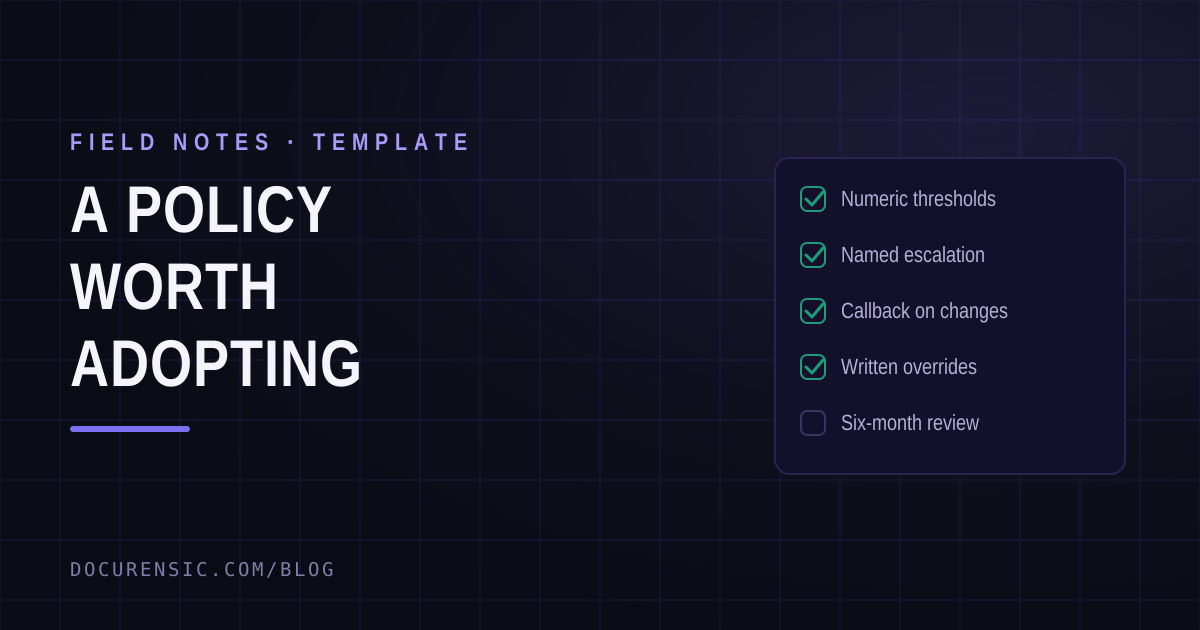
A copy-and-adapt policy with tiered checks, numeric thresholds instead of adjectives, a named escalation route and an incident procedure — written to be edited, and free of anything that depends on buying a product.
Property title fraud transfers real assets with forged documents — a fake deed, a notary stamp, a filing clerk who checks formatting, not truth. How it works and how owners and buyers fight back.
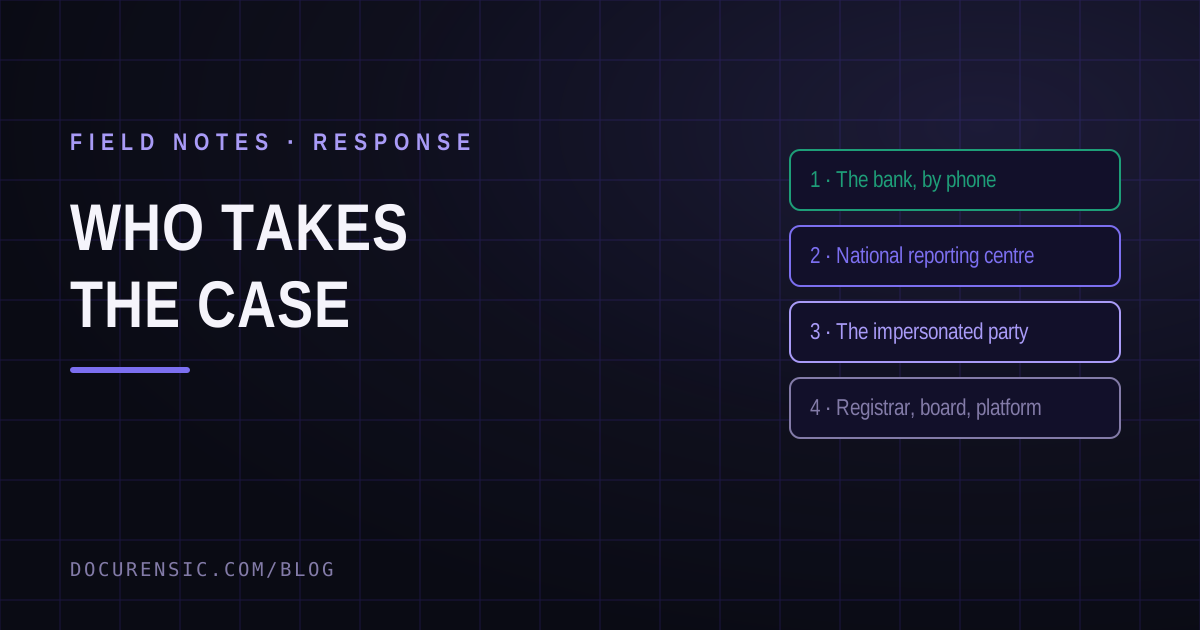
The bank first, within hours, because that is the only step that recovers money. Then the national centres in the US, UK, Canada and Australia — and the four reports almost nobody files that change outcomes most.
Fabricated charity receipts inflate deductions, launder appearances, and prop up fake nonprofits. How donation acknowledgments get forged and how both sides can check them.
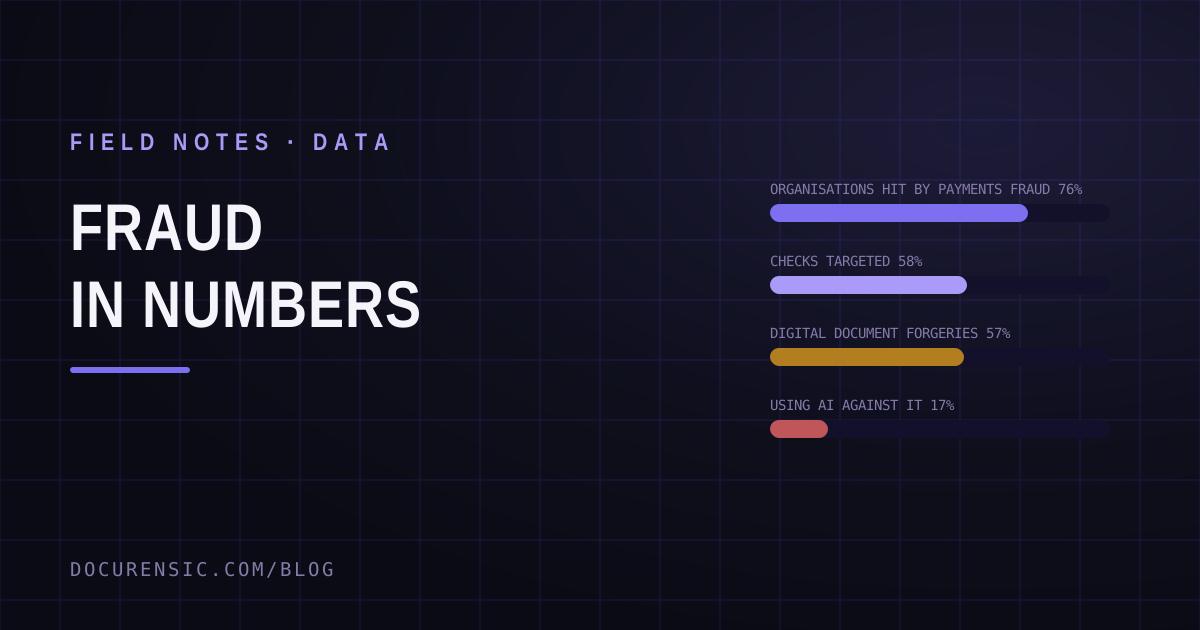
Every figure attributed to the body that published it, with a note on what it really measures — plus the widely-quoted statistics that do not survive a look at their sources, and a thirty-second test for any fraud number
Fabricated subpoenas, arrest warrants, and settlement notices weaponize fear of the legal system. How to recognize fake legal documents — and what real courts never do.
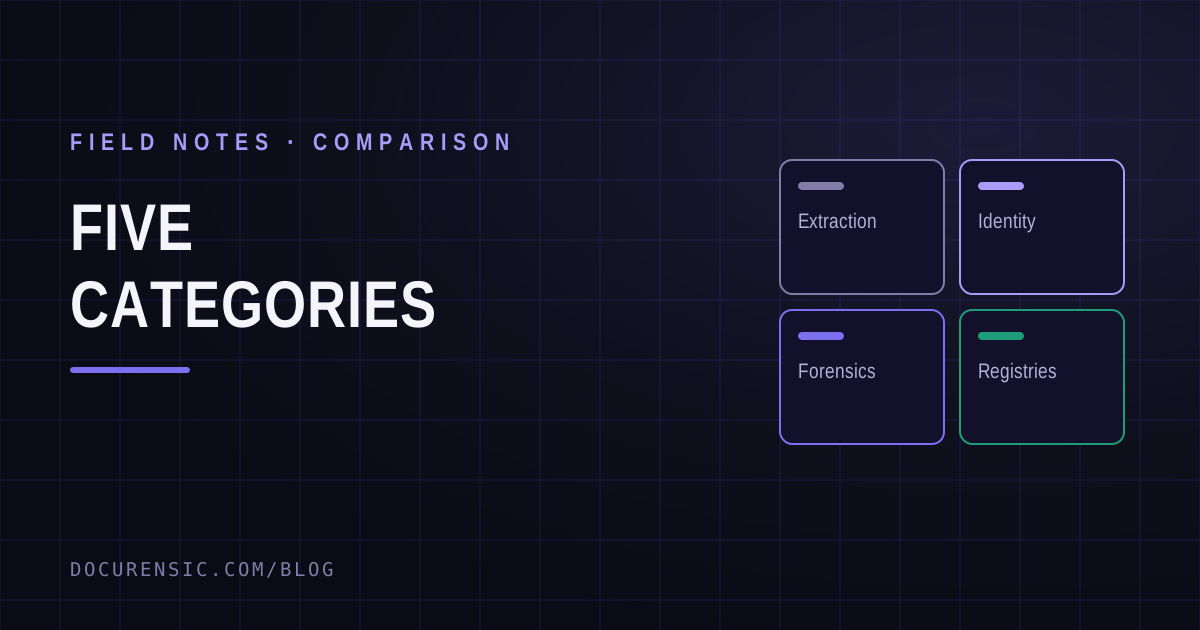
Extraction, identity verification, document forensics, media forensics and registry lookup answer five different questions. Most bad purchases in this market are the right vendor in the wrong category — here is how to te
Documents carry more clocks than people expect — and fraud usually breaks at least one. Where timestamps live, which ones lie easily, and how to read them together.
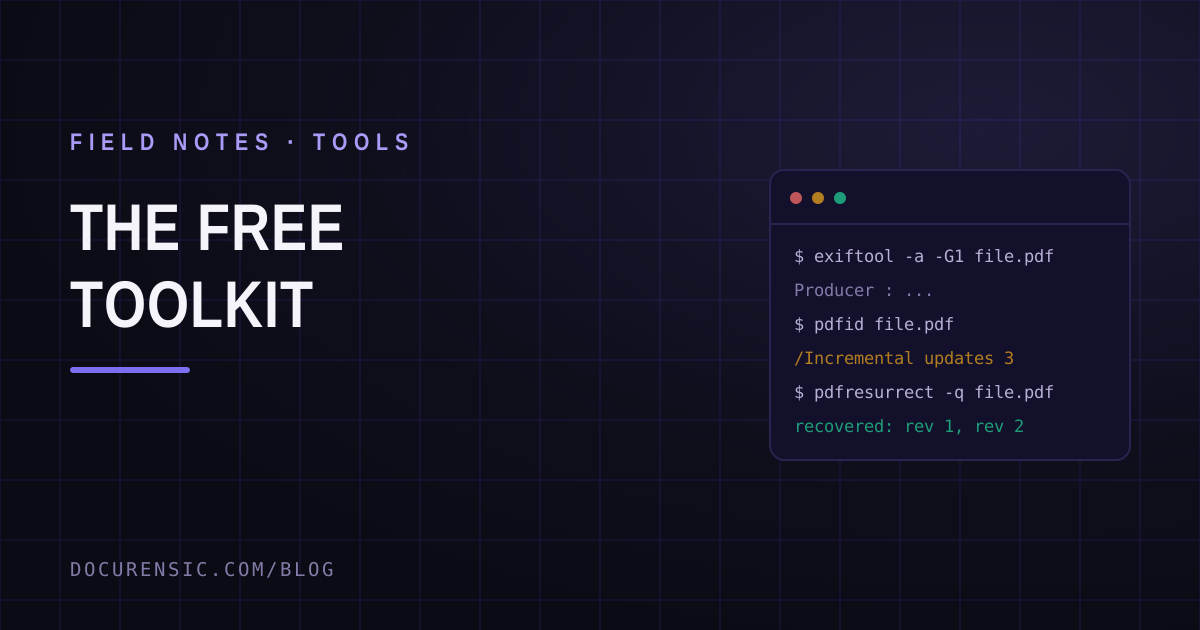
ExifTool, pdfid, qpdf, mutool, FotoForensics and the rest — what you can genuinely establish about a suspicious document with software that costs nothing, in what order, and the four things free tooling cannot do.
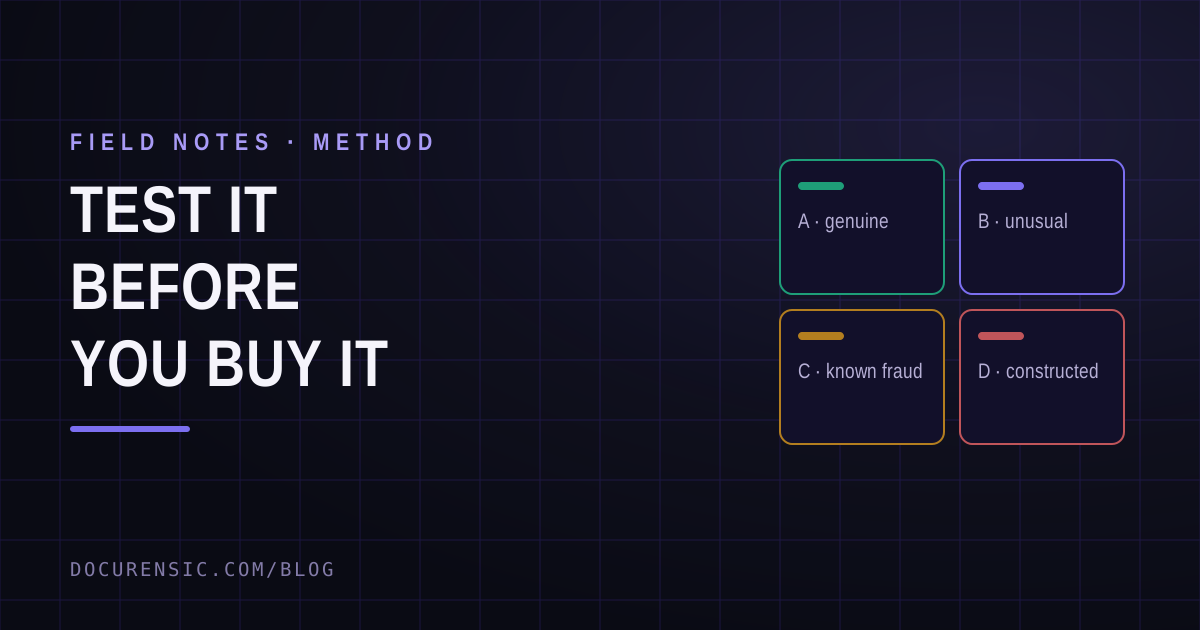
A vendor-neutral evaluation protocol you can run in a week: four corpora, a blind submission, false positives measured separately from detection, and the five failure-mode files that reveal more than the other three hund
Every document has a typographic fingerprint — and edits break it. How font substitution, spacing drift, and impossible typefaces expose altered and backdated documents.