Tender Fraud: When the Winning Bid Is a Forgery
A tender is decided almost entirely on paperwork — certificates, accounts, references, insurance. Most of it is scored once, by someone with forty other submissions to read, and never checked again.
Showing posts tagged “fraud”.
A tender is decided almost entirely on paperwork — certificates, accounts, references, insurance. Most of it is scored once, by someone with forty other submissions to read, and never checked again.
Almost everything that works on a fraudulent transfer works in the first day. Almost nothing works after the third. Here is the order to work in when it has already happened.

A portfolio statement is a claim about money you cannot see, issued by an institution you may not be able to contact, in a format nobody standardised. That is a lot of room to work in.
An employment verification letter is a salary claim on a letterhead. Why this document is the easiest fake in the file, and the source-check that defeats every version of it.
A recruitment scam is a document operation. There is no job, so everything the victim receives is paper — and paper produced under time pressure by someone impersonating a company they have never worked for.
Income, assets, employment, occupancy — mortgage fraud is mostly document fraud. The six file exhibits underwriters should trust least, and what each fake looks like.
A trust seal is a picture. Copying a picture takes one right-click. Yet a row of badges in a website footer still moves purchase decisions more than almost anything else on the page.
Nobody fakes a payment to steal money. They fake it to buy time — long enough to collect the goods and be somewhere else when the bank tells you nothing arrived.
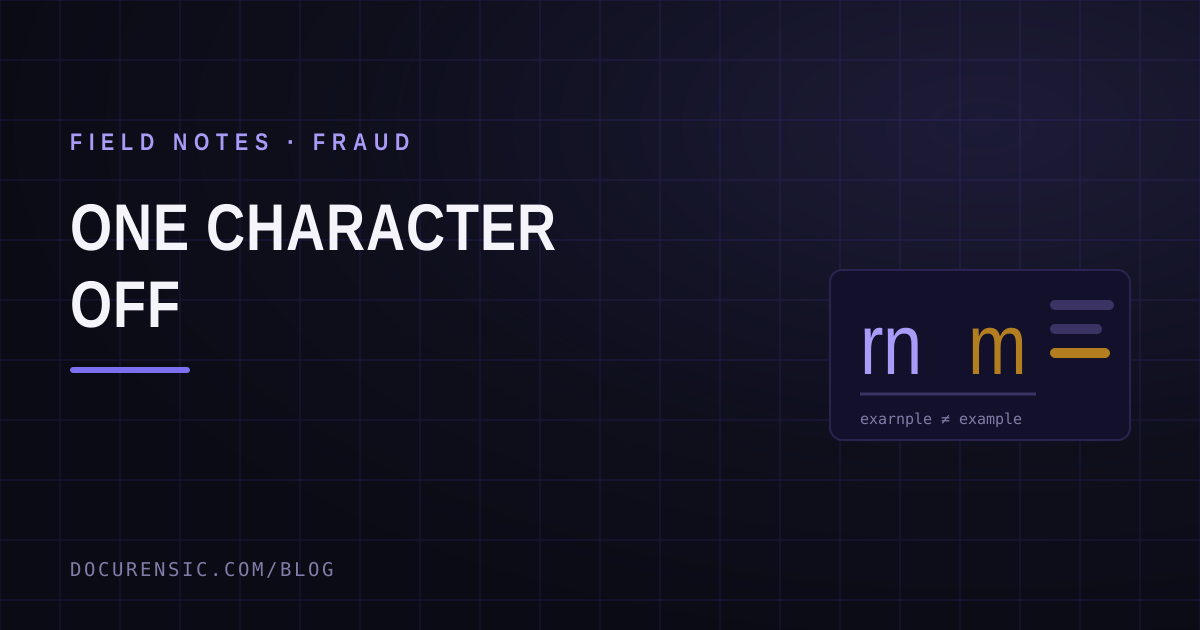
The most effective domain in payment fraud is not a hacked one. It is a real domain, correctly configured, that differs from your supplier's by a single character nobody reads.
Nurses, engineers, contractors, financial advisers — fabricated license certificates are cheap to make and expensive to trust. How to verify a professional credential at the source.
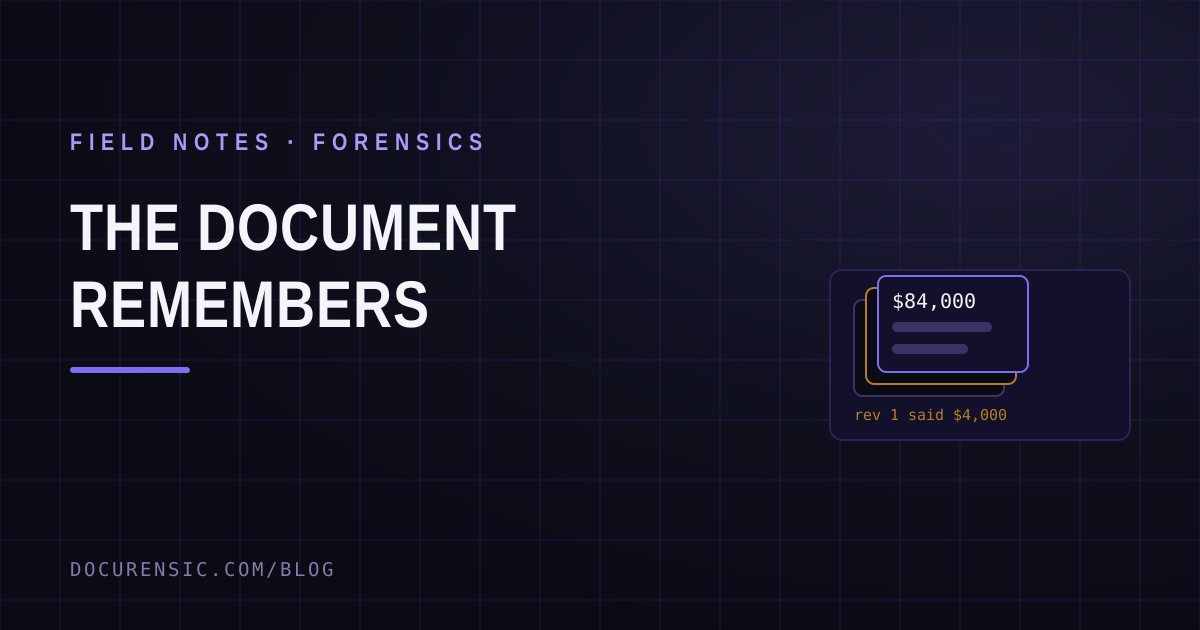
Change a PDF and save it, and most software leaves the old version physically inside the new one. Sometimes the amount before the edit is still sitting there, waiting to be read.
The padlock is the most misunderstood symbol on the internet. It certifies the pipe, not the shop — and almost every phishing page you will ever see has one.